A mid-sized facility in the Midwest was struggling with frequent equipment interruptions despite having a skilled and dedicated maintenance team.
The technicians worked hard and responded quickly to issues, but the operation remained reactive. Leadership recognized the need for structure, clarity, and a sustainable plan to keep equipment running smoothly.
The maintenance team faced several common but compounding issues:
Despite strong technical ability, the team lacked a system that allowed their efforts to translate into reliable performance.
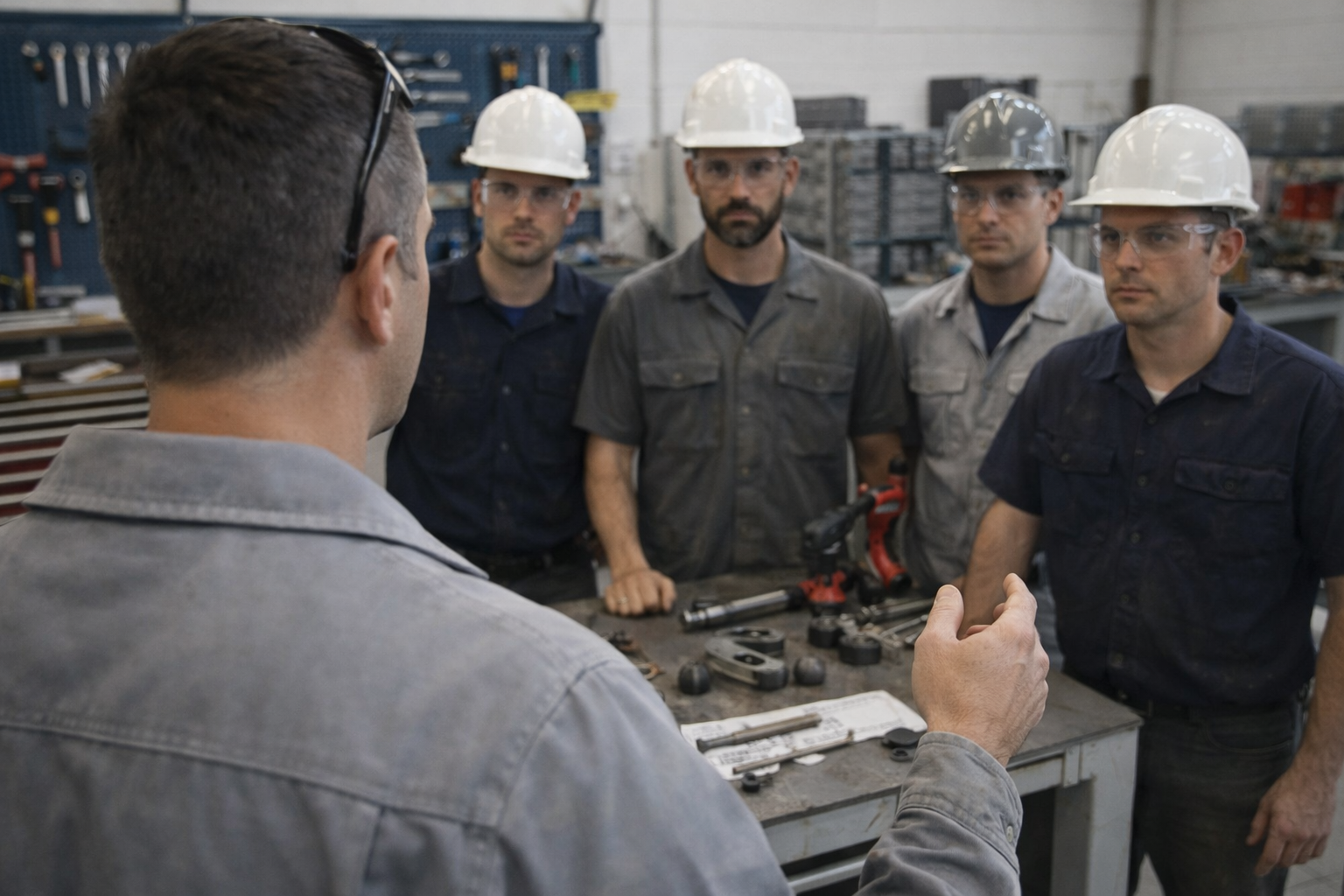
Work began with collaborative shop-floor sessions involving the entire maintenance team. Rather than imposing top-down changes, the focus was on building a shared understanding of priorities and creating routines that supported the team's strengths.
Key actions included:
The emphasis was on practical, sustainable changes that could be maintained without adding administrative burden.
Within weeks, the facility began to see measurable improvements:
Most importantly, the team gained a sense of control over their operation.
The facility did not lack skilled technicians - it lacked structure and leadership routines. Once the team had a clear plan and consistent practices, their existing strengths produced reliable results.
This engagement demonstrated that improving maintenance performance does not always require new systems or additional staffing. Often, the most impactful changes come from aligning a capable team around clear priorities, practical routines, and supportive leadership.
Disclaimer: Images and case studies on this website are a mix of the owner's personal experience and Gramm Solutions consulting services provided to actual customers. Some images may be real on-site photos, AI-modified images used to protect privacy, or AI-generated visuals. In some cases, it may not be obvious which method was used. Content is provided for general informational purposes and should not be considered professional advice.